
The Vision-Threatening
Nature of Pterygium
Pterygium is a common eye disease that impacts 15M people in the U.S., with no FDA-approved drug therapy.1,2
1. Modenese A, et al. Int J Environ Res Public Health. 2018;15:2063. 2. Liu L, et al. BMJ Open. 2013:3:e003787
WHAT IS A PTERYGIUM?
Pterygium is a progressive conjunctival fibrovascular lesion that extends from the corner of the eye and can result in inflammation and visual impairment.3,4
3. Shahraki T, et al. Ther Adv Ophthalmol. 2021;13:1-21. 4. Chu WK, et al. Eye. 2020;34:2047-1050.
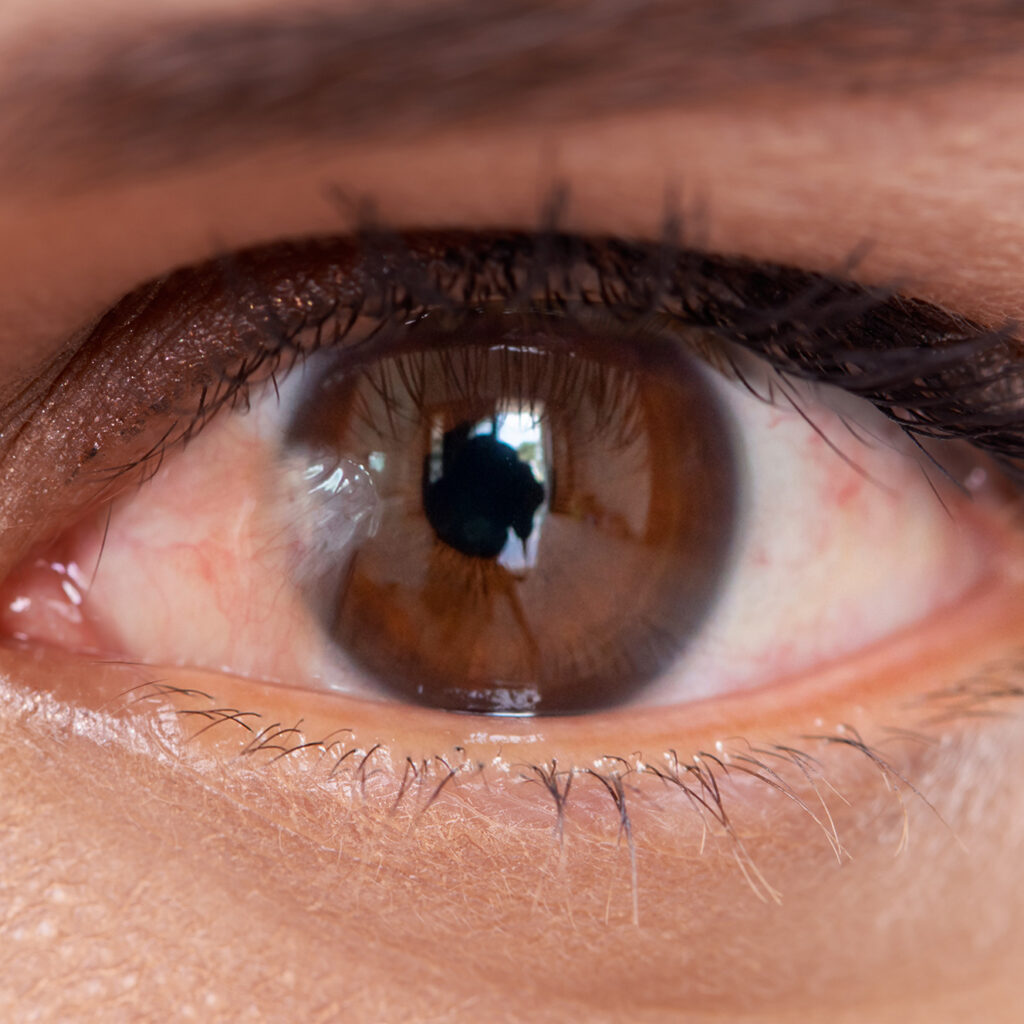
Unlike pinguecula (which remains at the limbus), pterygium is an invasive
fibrovascular growth that crosses the limbus onto the cornea, leading to:
1. DIRECT VISUAL AXIS OBSTRUCTION
• Pterygium head encroaches onto the cornea
• Can progress to block central vision if left untreated
• Surgical excision is required when vision is threatened
2. PROGRESSIVE ASTIGMATISM
• Pterygium distorts corneal topography
• >1.0 diopter astigmatism in 16% (extension ≤1mm)
• 45.5% astigmatism when extension is 1.1-3.0mm
• 100% astigmatism when extension exceeds 5mm
3. LOSS OF CORNEAL TRANSPARENCY
• Fibrovascular tissue replaces clear cornea
• Creates visual distortion and glare
• Permanently damages Bowman’s layer
4. HIGH RECURRENCE RATES POST-SURGERY
• Historical recurrence: 30-80% (bare sclera excision)
• Modern techniques (conjunctival autograft): Still ~10% recurrence
• Each recurrence increases surgical complexity and risk
WHO GETS THEM?
Pterygium most commonly affects adults who have spent many years in environments with high ultraviolet (UV) radiation -related damage, such as sunny, dry, or windy climates. It is frequently seen in people who work or spend significant time outdoors without consistent eye protection, including farmers, construction workers, fishermen, surfers, and others with chronic sun and wind exposure.
The condition is more prevalent in regions closer to the equator and in individuals with a history of chronic ocular surface irritation or dry eye. Pterygium can occur in both men and women and may involve one or both eyes, with a tendency to develop on the side of the eye closest to the nose.5
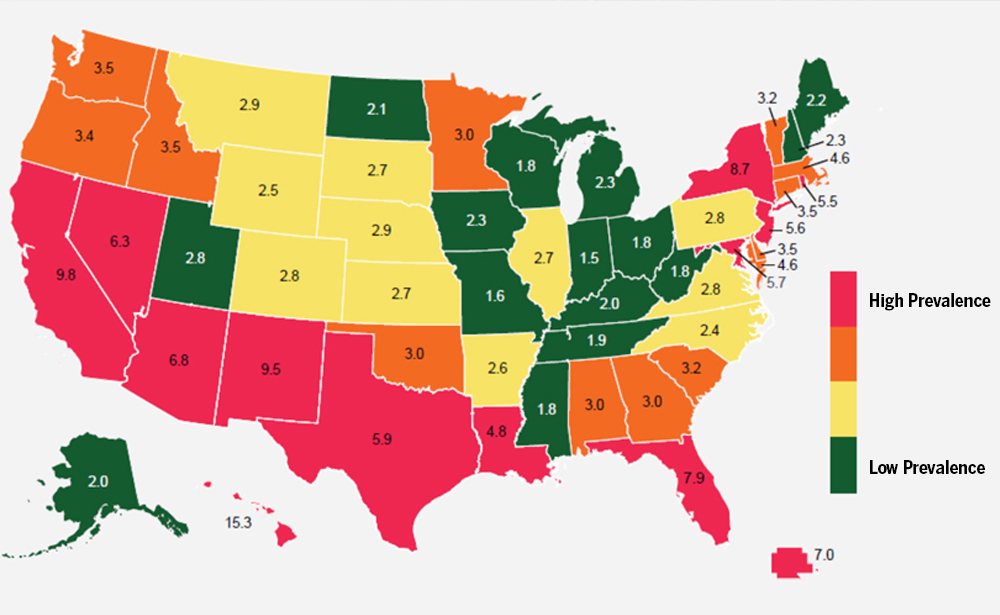
Lots of Sunshine = Greater Risk
Chronic exposure to ultraviolet light is the primary driver of pterygium, making people in sunny climates and those who spend long hours outdoors vulnerable. Those who do not regularly wear UV‑blocking sunglasses are at even higher risk because more direct UV light reaches the ocular surface.6

Environmental Triggers
Wind, dust, sand, and dry air can irritate the ocular surface and amplify the impact of UV exposure, accelerating the development and progression of pterygium. Patients in coastal, desert, and high‑glare environments are disproportionately affected.
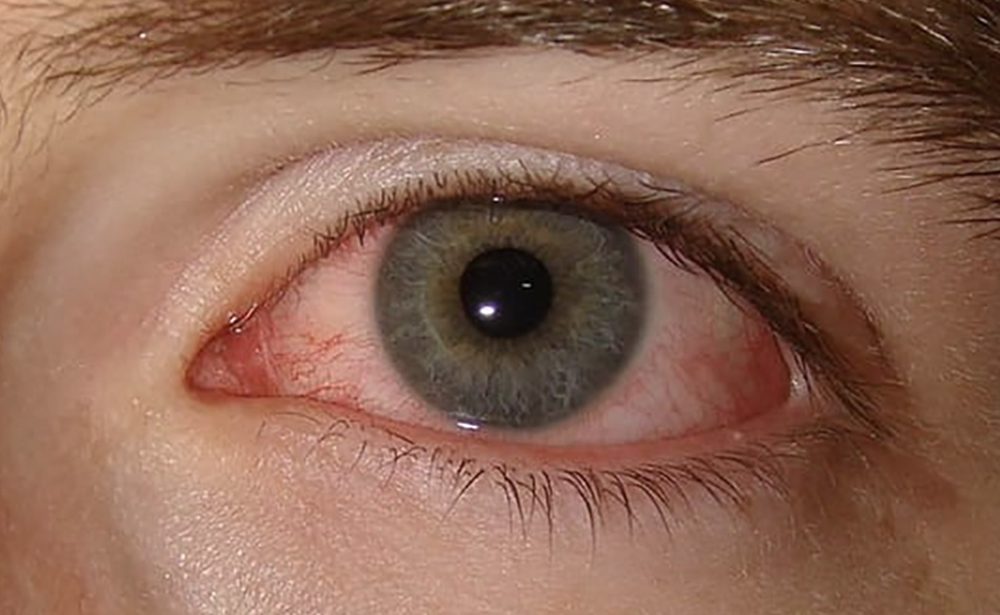
Chronic Dry Eye
Pterygium often develops on a background of chronic ocular surface stress, including dry eye and recurrent irritation. These ongoing conditions can fuel inflammation and tissue changes that promote both the onset and recurrence of pterygium.
5. Farhad, R, et al. Surv Ophthalmol. 2018 Sep-Oct;63(5):719-735. 6. Data on file – Syneos Health 2024. 7. Linaburg T, et al. Cornea. 2021;40(2):258-267. 8.Devebacak A, et al. Optom Vis Sci. 2023;100(3):207-210
DISEASE BURDEN AND PREVALANCE
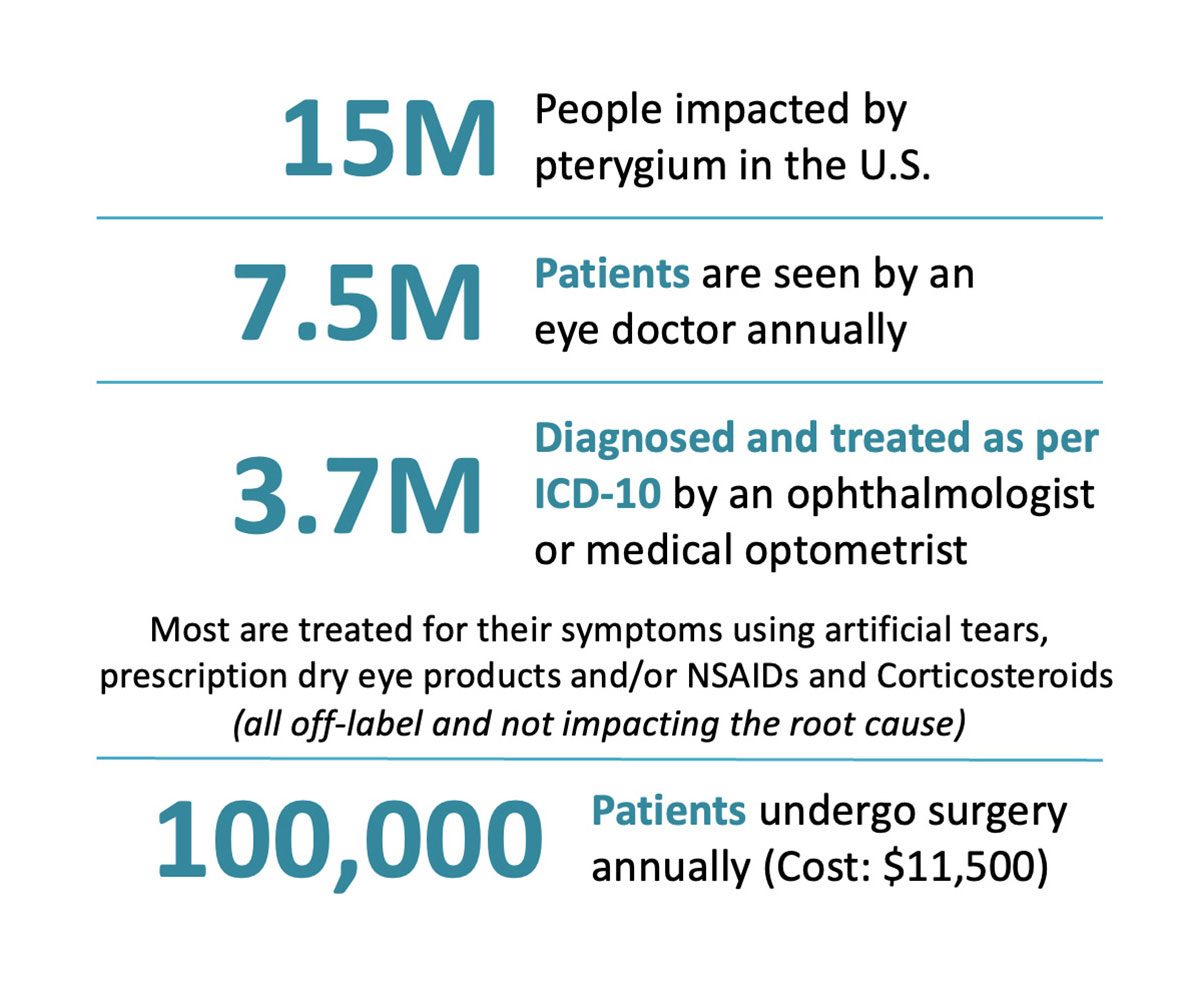
An estimated 15 million people in the United States are affected by pterygium, reflecting its status as a common ocular surface disease rather than a rare finding. Each year, roughly half of these individuals, or about 7.5 million people, see an eye care professional for symptoms such as irritation, redness, or blurred vision. Of these visits, approximately 3.7 million patients receive a formal diagnosis of pterygium, and close to 100,000 ultimately undergo surgical removal when the lesion becomes visually significant or highly symptomatic.9
9. Data on file – Syneos Health 2025
SYMPTOMS AND DAILY IMPACT
Pterygium symptoms often begin subtly but can gradually interfere with comfort, appearance, and daily routines. Persistent irritation, tearing, or a feeling that something is in the eye can make work, driving, and screen time more challenging. As the eye becomes more sensitive to wind, sun, and dust, outdoor activities and the comfortable use of contact lenses or eye makeup may be significantly limited. Over time, many patients also become very aware of the visible redness or growth itself, worrying about how their eyes look in social and professional settings and how others may perceive them.10
10. Ghandi, R, et al. Poster presentation at ASCRS Annual Meeting 2024

Foreign body sensation
A persistent feeling that something is in the eye can be distracting throughout the day, making it harder to focus on reading, screen work, or driving.
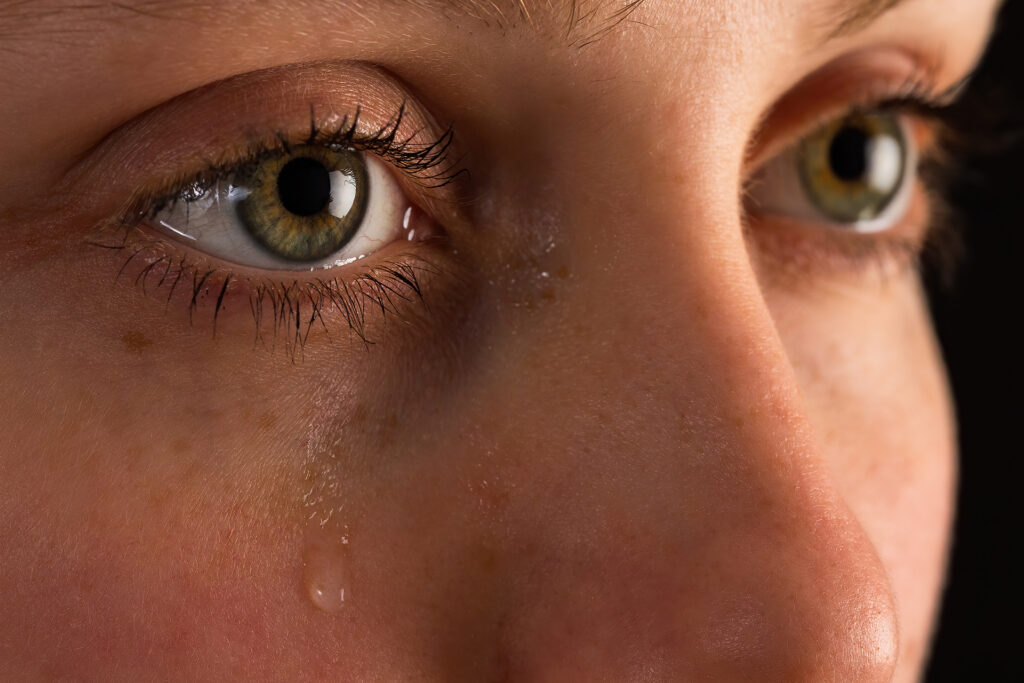
Tearing or itching
Excessive tearing or itchiness often leads to frequent eye rubbing or the need for tissues and drops, which can interfere with work, social activities, and sports.
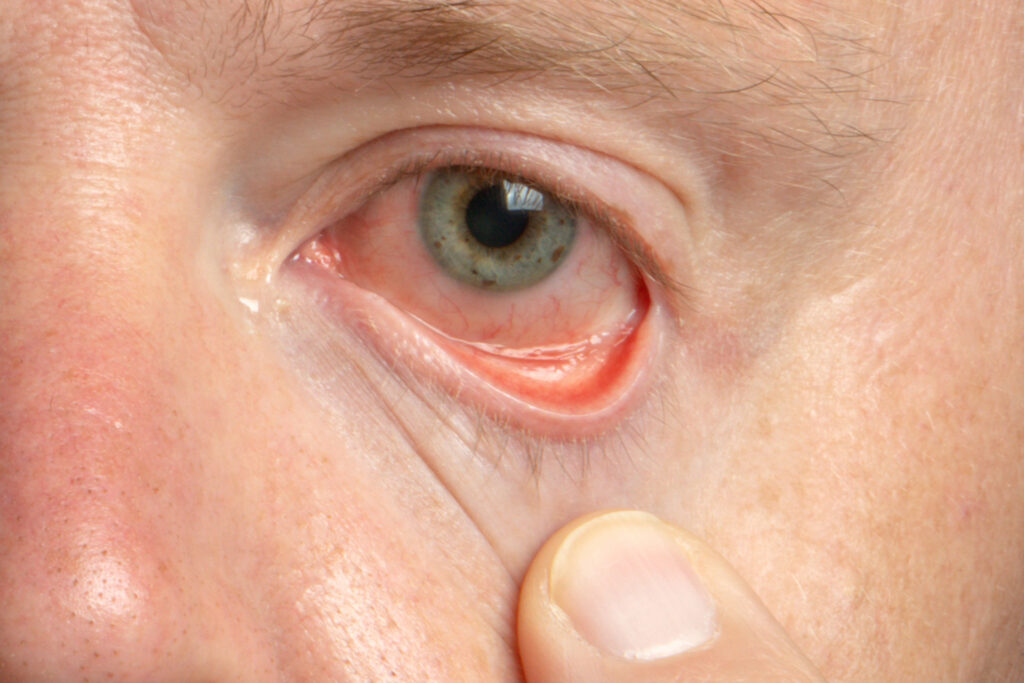
Eye irritation or discomfort
Ongoing redness, burning, or soreness, especially in wind or bright light, can limit time outdoors and make patients more sensitive to environments like beaches, stadiums, job sites, and everyday outdoor activities.
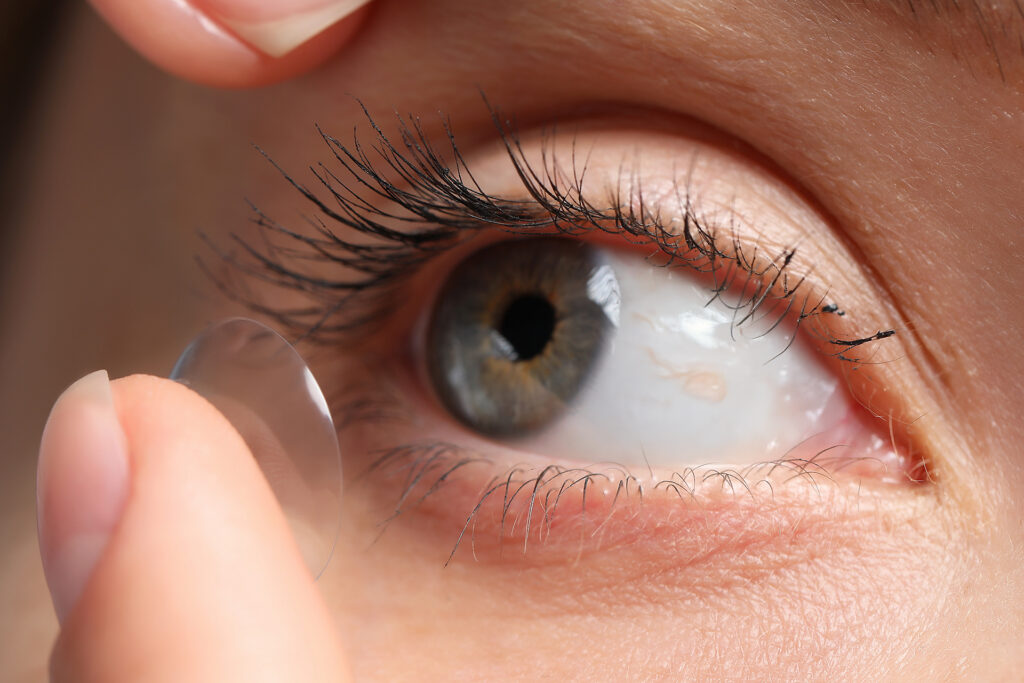
Contact Lens Intolerance
Contact lenses may become uncomfortable or unusable, forcing patients to change their visual correction or cosmetic routines and affecting confidence in social and professional settings.

DIAGNOSIS:
Examination by a professional eye doctor is required to diagnose pterygium. Using a slit lamp, the eye doctor closely inspects the wing‑shaped growth on the white of the eye and where it extends onto the cornea, which is how a pterygium is confirmed and documented.
11. Beheshtnejad et al, J Ophthalmic Vis Res. 2023
CURRENT STANDARD OF CARE AND ITS LIMITS
Current management of pterygium focuses on reducing symptoms and controlling inflammation rather than addressing the underlying lesion. Lubricating drops, anti‑inflammatory medications, and surgery can all play a role, but each option has important limitations in terms of durability, convenience, and risk. As a result, many patients cycle through intermittent relief and recurring symptoms, with a subset ultimately progressing to surgery when the lesion threatens vision or significantly impacts quality of life.
12. Baana, M Journal of the Foundation of Ophthalmology 2025
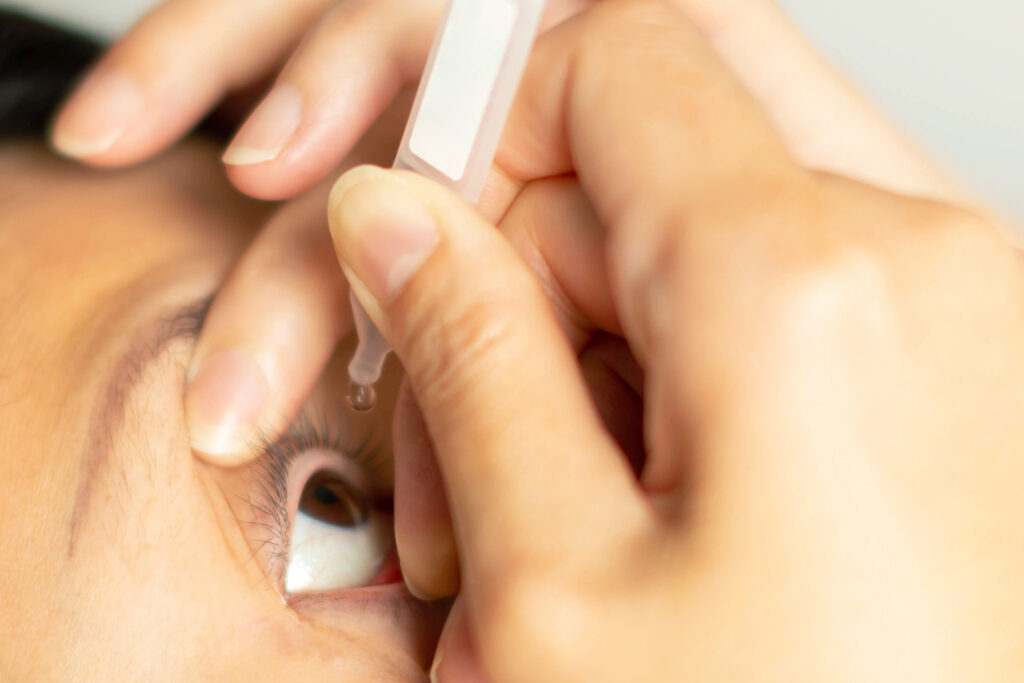
Lubricating eye drops
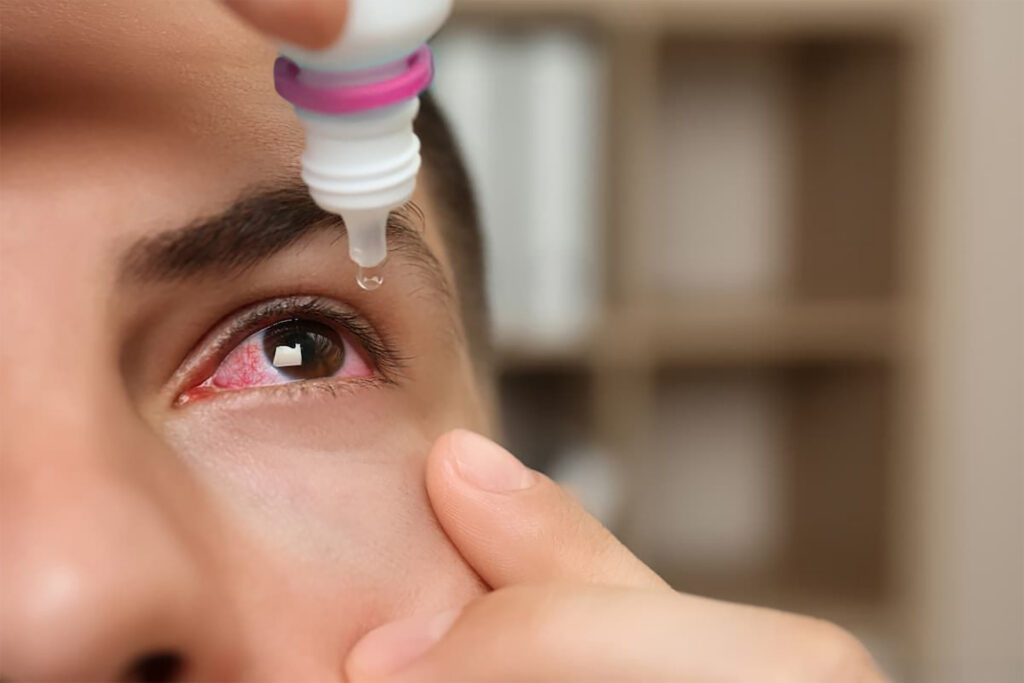
Artificial tears and gels are often the first‑line approach, helping to reduce dryness, irritation, and foreign body sensation, but they do not shrink or halt the growth and require frequent, ongoing use.
NSAIDs – Steroids
Topical anti‑inflammatories, such as short courses of corticosteroids or NSAID drops, can calm redness and inflammation during flares, yet long‑term use is limited by safety concerns and symptoms often return when treatment is tapered.

Surgery
Surgical excision with grafting can remove the lesion and restore a clearer ocular surface, but it involves surgery time, recovery, cost, and the possibility of recurrence, leaving a gap for options that could meaningfully alter the disease course.
PTERYGIUM: COMMON AND IMPACTFUL
Pterygium is a fibrovascular growth on the cornea that, for many patients, causes symptoms that can interfere with daily activities and quality of life. For some patients, the pterygium can cause vision changes or, in severe cases, block vision.
Large, global patient population
Pterygium affects millions of people in the United States, with particularly high prevalence in high‑sun, low‑latitude regions such as the Southwest, Gulf Coast, and Southeast, and other high‑UV regions worldwide.
Chronic inflammatory and
fibrotic disease
Pterygium is a chronic ocular surface disorder characterized by ongoing UV‑driven inflammation and progressive fibrovascular tissue growth.
No disease-modifying therapy available
Current medical treatments (lubricants, short‑course steroids, NSAIDs) provide modest symptomatic relief only and do not reliably slow, halt, or reverse lesion progression.
No approved drug addressing pathophysiology
There are no FDA‑approved pharmacologic therapies for pterygium; management remains centered on supportive care and surgery despite emerging investigational agents.
Cloudbreak Pharma:
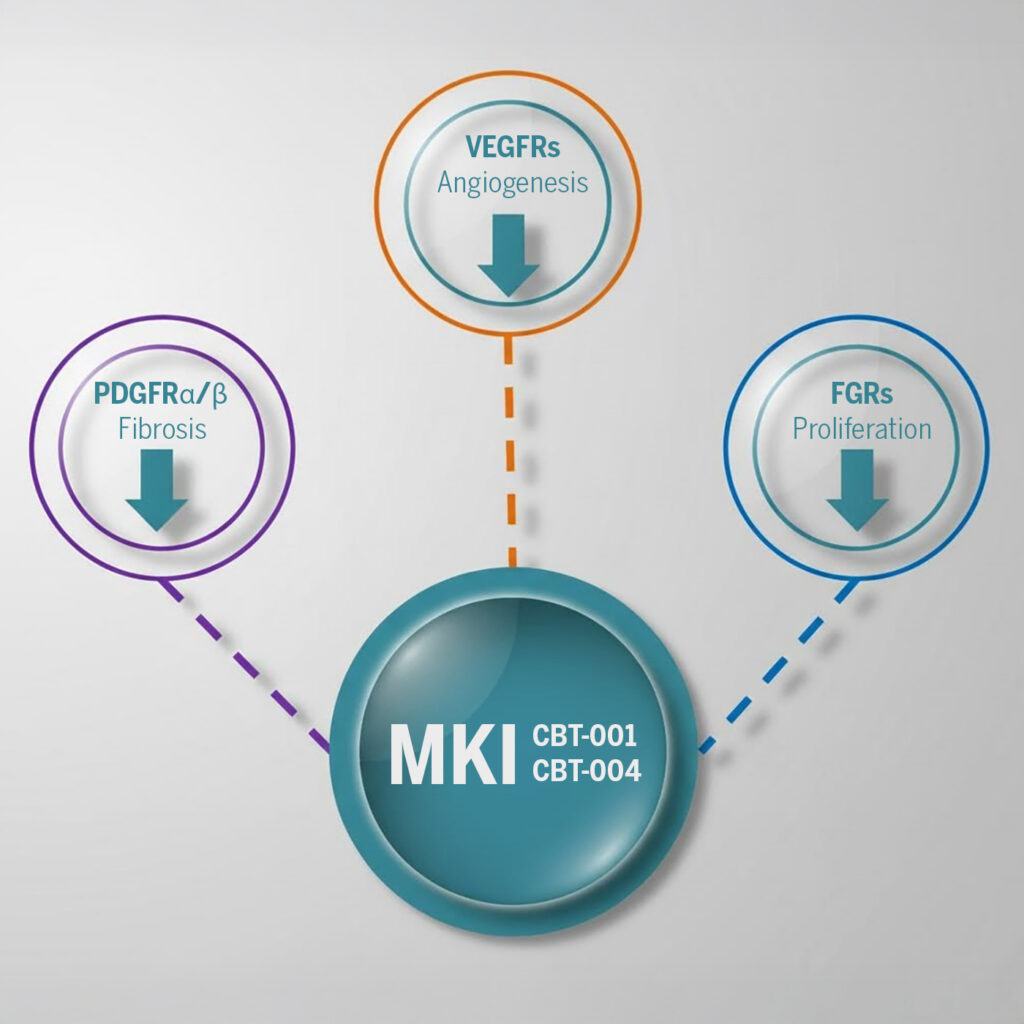
First Pharmacologic Approach to Target Pterygium’s Root Cause
Why This Matters to People with Pterygium,
Professionals and Investors
Pterygium is a chronic, symptomatic eye disease that affects quality of life, clinical practice, and healthcare economics. It is more than an issue of appearance. Understanding its impact across these groups underscores the need for a targeted therapeutic approach that goes beyond temporary symptom relief to address the underlying disease process and potentially change its long‑term course.
At Cloudbreak Pharma, we have a Phase 3 candidate in development specifically designed to intervene earlier in this disease, to reduce symptoms, slow progression, and ultimately lessen the need for surgery.
People with Pterygium
Find out more about the causes of pterygium and current management options
Professionals
Find out how Multi-Kinase Inhibitors may represent the first disease modifying approach to treating pterygium
Investors
Find out more about Cloudbreak Pharma as a potential investment opportunity on the Hong Kong Stock Exchange (2592.HK)